
Purchasing a new home is often one of the most significant investments you will make in your lifetime. Thus, understanding the condition of a potential new home is not merely advantageous; it is essential. Obtaining a clear and thorough understanding of the property’s state is foundational to making informed decisions about whether to proceed with the purchase. This understanding is primarily gained through a detailed home inspection walkthrough.
During the home inspection walkthrough, you have the opportunity to assess the property beyond what pictures or descriptions can provide. This walkthrough is your chance to engage with the property on a tangible level, to see and understand the intricacies of the home’s structure, systems, and fixtures. It allows you to evaluate the present condition of the home while simultaneously envisioning any potential issues that could arise in the future.
Asking the right questions during this process is crucial, as these inquiries can uncover hidden issues that may not be apparent at first glance. Additionally, through pointed questions, you can better anticipate future maintenance needs, allowing you to plan for any repairs or upgrades that may be necessary after you move in. In essence, these questions not only ensure you are aware of any immediate concerns but also help you prepare financially and mentally for future homeownership responsibilities.
This article is structured to provide an outline of key questions across various aspects of the property that should be addressed during the inspection process. By familiarizing yourself with these questions, you will be better prepared to conduct an effective walkthrough, gaining a comprehensive understanding of the prospective home. From the state of the roof to the condition of the plumbing system, and from the electrical setup to the quality of insulation, knowing what aspects to scrutinize and the appropriate questions to ask will empower you to make a well-informed decision regarding your potential new home.
1. How is the state of the foundation impacted by excavation services?
Assessing Past Excavation Work
When assessing a property’s foundation, it’s crucial to understand the impact that previous excavation services might have had. Excavation can affect soil stability, which may lead to uneven settling. Ask your home inspector to review any past excavation activities and evaluate their potential long-term effects on your foundation.
Potential Risks and Warning Signs
Inspectors should look for cracks, water intrusion, or any signs of foundation movement. Each of these can indicate that excavation work may not have been done properly or may still be affecting the home. Identifying these issues early helps in managing future risks and maintenance costs.
Sourcing Reliable Excavation Contractors
Knowing if the excavation contractor‘s work is reliable is key to future renovations. A home inspector with experience in evaluating such work can provide insights into the contractor’s reliability. Understanding past performance can guide homeowners in selecting dependable services for future projects.
2. Is the fireplace installation up to code?

Evaluating Existing Installations
Proper fireplace installation is vital for safety and efficiency in your home. Ensure that your inspector evaluates the fireplace structure, including the chimney and flue, to confirm compliance with local standards. Non-compliance can lead to safety hazards such as fire risks or carbon monoxide exposure.
Ensuring Safety and Efficiency
Your home inspector should verify that the fireplace has adequate ventilation and proper clearance. Efficient operation reduces costs associated with heating and prevents hazardous conditions. Identifying issues related to installation could save significant future expenses.
Choosing Professional Installers
Hiring professionals with expertise in fireplace installation ensures that all local codes are met and that the setup is safe. Professional installers can provide documentation of work performed and guarantee future maintenance. The choice of a competent installer is as important as the installation itself.
3. What is the condition of the whole house generators?
Inspecting Generator Placement
Whole house generators require strategic placement to function appropriately and safely. Inspectors should check if the location allows for adequate airflow and accessibility for maintenance and repair. A proper setup minimizes risks and maximizes efficiency, ensuring that the generators can provide power when needed.
Maintenance Requirements
Regular maintenance of whole house generators is essential for longevity and reliability. Home inspectors can assess factors like service history and current condition to anticipate any necessary repairs. Staying ahead of maintenance needs prevents costly unexpected failures.
Evaluating Brand and Capacity
The brand reputation and capacity of your generator can influence its effectiveness in a power outage. Inspectors should review whether your generator can handle the electrical load of your home. Choosing the right equipment contributes substantially to home safety and convenience.
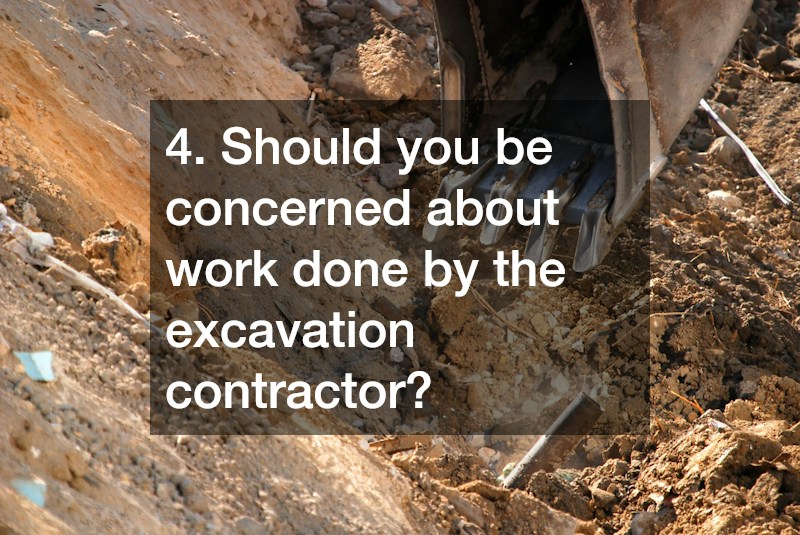
4. Should you be concerned about work done by the excavation contractor?
Identifying Red Flags
Your home inspector should look for signs of substandard work by your excavation contractor, such as uneven surfaces or standing water. Unresolved issues like these can indicate potential future problems. Identifying these red flags early can save significant repair costs later on.
Verifying Credentials and Experience
Knowing the credentials and experience of excavation contractors helps in evaluating the quality of their work. Inspectors can offer insights based on observable outcomes and how closely they adhere to industry standards. Having this background data provides a degree of assurance in the contractor’s abilities.
Reviewing Past Project Successes
Reviewing the success of past projects undertaken by an excavation contractor can illustrate their proficiency significantly. Reliable contractors have a track record of effectively handling even the most complex excavation work. This historical evidence enables homeowners to make informed decisions about future excavation needs.
5. Are there issues needing attention from local water damage contractors?
Spotting Warning Signs
Your home inspector should keep an eye out for indications of water damage, such as stains, mold, or mildew. These indicators suggest past or current moisture issues that could require intervention from local water damage contractors. Addressing water damage promptly is crucial for maintaining a home’s structural integrity.
Understanding Claims and Coverage
Evaluating the potential for making an insurance claim is beneficial if water damage is present. Inspectors can help assess whether the damage would be covered under typical homeowner policies. Learning what coverage applies can guide decisions about necessary repairs and financial planning.
Enlisting Local Expert Help
Local water damage contractors are vital when tackling extensive moisture-related issues. Their specialization ensures proper assessment and remediation, keeping future issues at bay. Working with local experts guarantees that repair work meets the environmental challenges specific to your area.
6. What is the state of asphalt driveway paving services?

Evaluating Pavement Integrity
Inspecting asphalt driveways for cracks or uneven surfaces can reveal underlying issues needing attention. Prompt action can prevent further degradation and expensive repairs. Ensuring a sturdy pavement is essential for a smooth, functional entry into your property.
Anticipating Maintenance Needs
Maintenance of asphalt driveway paving services is crucial for preventing wear and tear over time. Inspectors can provide guidance on required regular upkeep practices. Proper maintenance prolongs the life of the driveway, saving long-term expenses and enhancing curb appeal.
Considering Replacement Options
Your inspector may recommend replacement if the pavement’s condition is beyond repair. Weighing this with potential improvements and lifespan extensions can guide decisions. A well-maintained driveway is both practical and adds to a property’s value and appearance.
7. How secure is the staircase remodel?
Structural Integrity Checks
The robustness of any staircase remodel is essential for household safety. Checking the risers, treads, and handrails for stability is common practice during inspections. Ensuring structural integrity is key to avoiding accidents and required renovations in the future.
Compliance with Latest Standards
Your home inspector should verify that all the elements of a staircase remodel align with the latest building standards. Compliance assures that safety regulations are met and that the staircases can serve various family needs. Adhering to these benchmarks protects homeowners legally and physically.
Design Appeal and Functionality
Design and functionality go hand-in-hand in a staircase remodel. Inspectors will often assess how well the remodel fits with overall home design while ensuring practical use. These dual elements contribute to both the aesthetic value and functional usability of your home space.
8. Are gate opener repairs needed?
Identifying Mechanical Issues
Any gate opener repairs entail assessing the mechanics for malfunctions or wear. Inspectors can help determine if operational difficulties are due to minor issues or more serious problems. Addressing these concerns promptly ensures the security and convenience of your property remains intact.
Safety Features and Automation
Automation features should be checked for responsiveness and functionality. Safety mechanisms, such as sensors or emergency release protocols, are non-negotiable elements in gate systems. Reliable automation enhances both security and daily ease of access.
Professional Repair Versus Replacement
Determining whether to repair or replace a gate opener depends on the extent of issues uncovered. Inspectors can advise based on the system’s overall condition and long-term reliability projections. Choosing the correct course can optimize costs and functionality.
9. What materials and craftsmanship were used by the residential deck builders?

Quality and Sustainability of Materials
The choice of materials used by residential deck builders critically affects the longevity and environmental impact of the deck. Inspectors should assess for weather resistance, durability, and sustainability of materials. Better material choices often translate to reduced maintenance and higher resale value.
Durability and Weather Resistance
A well-built deck should withstand various weather conditions without significant deterioration. Ensuring that residential deck builders have utilized durable materials can prevent frequent costly repairs. Inspectors evaluate how well these choices align with local climatic challenges, optimizing resistance and durability.
Crafting a Functional Outdoor Space
Beyond materials, the craftsmanship of decks contributes to a seamless integration with your home’s outdoor lifestyle. Inspectors might assess the layout, joinery, and design features for practicality and aesthetics. A well-crafted deck offers both enjoyment and enhanced value to homeowners.
10. What should be considered during bathroom remodels?
Space Utilization and Design
Successful bathroom remodels hinge on maximizing available space while achieving an attractive design. Inspectors note how fixtures are placed and whether they achieve functional efficiency. This element is crucial in ensuring that the remodel serves daily needs effectively.
Fixture Quality and Water Efficiency
Inspectors examine the quality and water usage of fixtures in a bathroom remodel. High-quality, efficient fixtures contribute to sustainability while minimizing utility costs. Prioritizing these installations reduces environmental impact and enhances long-term cost savings for homeowners.
Cost versus Aesthetic Value
The balance between budgetary constraints and visual appeal is a core consideration in any bathroom remodel. Inspectors can gauge whether the investment aligns with desired aesthetic outcomes without compromising the quality. Achieving this balance ensures that the remodel not only pleases visually but remains a sound financial decision.
Engaging effectively with your home inspector is a crucial part of the home-buying process, as it allows you to gain insight into the true condition of the property you are considering. By actively participating and asking detailed questions, you can uncover potential issues that may not be immediately evident during a cursory glance or initial walkthrough. Inquiring about various aspects of the home, such as the structural integrity, electrical systems, plumbing, roofing, and HVAC, empowers you with a comprehensive understanding of the property’s current state and any possible repairs or renovations that may be needed in the future.
The home inspection, therefore, is not merely a formality, but an invaluable step in ensuring your financial investment is sound. Armed with this knowledge, potential buyers can make informed decisions about their investment, ensuring that the home is safe, functional, and aligns with their lifestyle needs. For instance, understanding the age and condition of the roof can prevent unexpected costs down the line, while insight into the efficiency of the heating and cooling systems can inform energy cost predictions and environmental impact considerations.
The process of asking the right questions and understanding the responses facilitates a more transparent transaction and fosters confidence in the purchase. By effectively communicating with your home inspector, you harness the opportunity to negotiate repairs or even re-evaluate your offer based on findings, thereby safeguarding your interests.
In conclusion, your proactive engagement in the home inspection process not only maximizes the benefits of the experience but also sets a foundation for a secure and satisfying homeownership experience. This deepened understanding not only applies to mitigating immediate concerns but also to maintaining the home in the long term, ensuring that it continues to meet your family’s evolving needs.