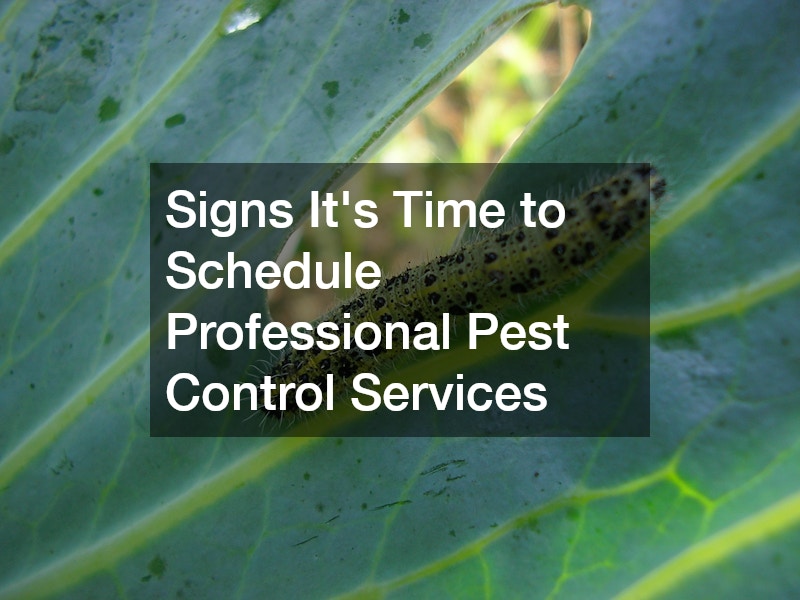
Pest problems often start with small signs that may be overlooked. Insects and rodents usually stay hidden until their numbers grow and cause noticeable damage. Early recognition helps control infestations before they become hard to manage. Regular self-inspections can aid in catching these issues early.
How Do I Know If I Need Pest Control Services?
Unusual Noises
Noises inside walls, ceilings, or floors may indicate hidden pests like rodents. These sounds are noticeable at night when pests are active.
Ignoring noises can lead to more severe issues down the road.
Ignoring these can let the problem grow. Rodents reproduce quickly and may damage insulation and wiring. A professional local pest control inspection can confirm pest presence. Inspections help create a targeted control plan to mitigate damage.
Visible Damage
Chewed wood, gnawed wires, and damaged food packaging can indicate pest activity. Early detection is critical as pests can weaken structures. Professionals can identify the damage source and recommend treatments. Stay vigilant for any signs or traces of pest evidence.
Droppings and Odors
Droppings, like small pellets or coffee grounds, and unusual odors indicate infestation. Professionals can safely address the source. Immediate clean-up and diagnosis are crucial to prevent escalation.
Actual Sightings
Seeing pests frequently suggests a nest nearby. If sightings happen often, pest control services can prevent the problem from spreading. Frequent sightings are a clear sign of potential infestation.
Past Infestations
Past infestations make a home vulnerable. Routine pest control can prevent pests from returning. Learn from past infestations to bolster future defenses.
What Are the Health Risks Associated With Pest Infestations?
Allergies and Asthma
Some pests can trigger allergies and worsen asthma. Professionals can help reduce allergens by removing pests. Allergen reduction starts with serious pest control efforts.
Contaminated Food
Pests contaminate food, spreading bacteria and increasing illness risks. Prompt control protects kitchen areas. Ensure food safety by maintaining an impeccable kitchen environment.
Vector-Borne Diseases
Some pests spread diseases to humans and pets. Pest control targets these specific pests to reduce risks. Proactive pest management can greatly reduce infection chances.
Skin Irritations
Pests like bed bugs and fleas can cause skin irritation. Professionals remove the source, restoring comfort. Peace of mind comes from understanding and tackling the root causes.
Psychological Effects
Pest infestations cause stress and anxiety. Quick action provides peace of mind and restores home security. Immediate consultations can ease concerns and enhance personal well-being.
What Preventive Measures Can I Take Against Pests?
Sealing Entry Points
Sealing cracks and openings prevents pest entry. Caulk, weather stripping, or screens are effective. Appropriate sealing can act as a formidable deterrent.
Proper Food Storage
Store food in sealed containers to deter pests. Secure pet food and clean surfaces to reduce attraction. Food preservation is a key tactic in pest prevention.
Maintaining Cleanliness
Clean spaces reduce crumbs and debris. Regular cleaning helps prevent pests. Commit to cleanliness for a healthier home environment.
Managing Moisture
Controlling moisture limits pest habitats. Repair leaks and improve ventilation. Well-maintained moisture levels discourage pests from settling.
Periodic Inspections
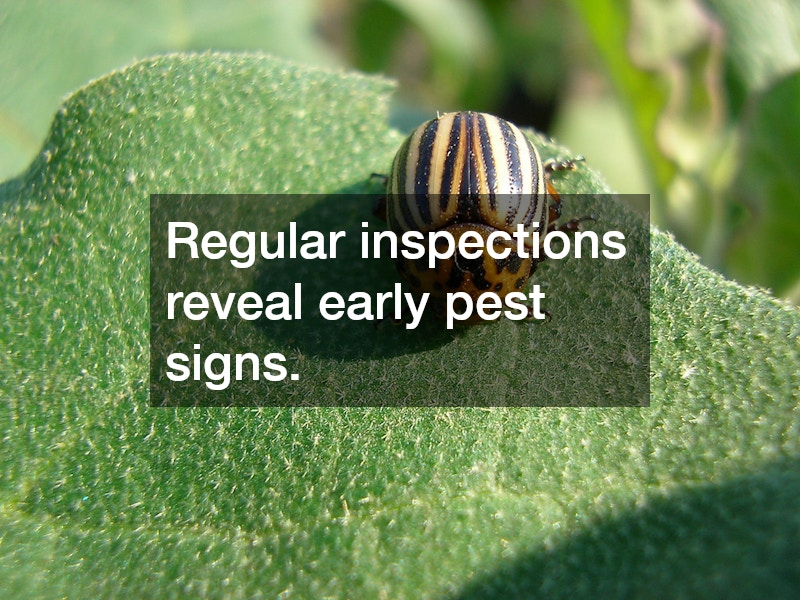
Regular inspections reveal early pest signs. Professionals offer insights into potential risks. Consistent monitoring increases success in thwarting invasions.
What Should I Expect From Professional Pest Control Services?
Initial Inspection
Pest control starts with an inspection to identify pest activity and entry points. This guides the treatment plan. A thorough initial evaluation sets the course for effective pest management.
Treatment Options
Professionals offer various treatments to eliminate pests and prevent new ones. Such treatments are tailored to meet specific pest challenges.
Follow-Up Services
Follow-ups ensure pests are fully eliminated and help maintain protection. Continued surveillance is vital for lasting pest absence.
Safe and Eco-Friendly Practices
Pest control uses eco-friendly methods, minimizing chemicals and improving safety. Sustainability leads to safer personal and environmental outcomes.
Cost and Contract Information
Discuss pricing and service options before treatment to choose the best plan. Open discussions enable well-informed fiscal decisions.
When is it Most Effective to Schedule Pest Control?
Seasonal Considerations
Schedule treatments based on seasonal pest activity for effective control. Understanding seasonal patterns enhances strategic planning.
Signs of Infestation
Immediate action is needed at the first signs of infestation to prevent spread. Acting fast curbs the expansion of invasion threats.
Weather Changes
Weather changes can push pests indoors. Schedule services accordingly. Consider weather forecasts when planning pest interventions.
Routine Maintenance Scheduling
Regular maintenance ensures consistent protection. A consistent schedule fortifies long-term safety against pests.
Post Remodeling
Pest control post-remodeling identifies new vulnerabilities and provides protection. Post-renovation assessments help mitigate added risks.
Recognizing pest warning signs is key to maintaining home safety. Professionals offer inspections and treatments to eliminate pests and prevent their return. Early action preserves your home and well-being year-round. Stay proactive to maintain a harmonious living environment.