
Owning a home is a dynamic experience that involves much more than just paying a mortgage each month. It is a commitment to the preservation of a physical structure that is constantly battling the forces of nature. Whether it is the expansion of materials in the summer heat or the contraction that occurs during a deep winter freeze, every house is in a state of perpetual movement. This movement, while often invisible to the naked eye, eventually leads to the slow degradation of joints, seals, and surfaces. For the proactive homeowner, the secret to longevity is not found in a single massive renovation project once a decade. Instead, it is found in the quiet, consistent application of a seasonal maintenance checklist. This approach ensures that small vulnerabilities are addressed before they can transform into catastrophic failures that threaten both the safety of the occupants and the value of the property itself.
When a person chooses to ignore the subtle signs of wear, they are essentially gambling with their largest financial asset. A small streak of moisture on a ceiling or a slightly higher water bill might seem like minor inconveniences, but in the world of home management, these are the early warning signals of expensive repairs on the horizon. By adopting a structured maintenance schedule, property owners can shift from a reactive mindset to a proactive one. This guide is designed to provide a roadmap for that journey, detailing the specific tasks required to keep a home running smoothly from the peak of the roof down to the hidden pipes beneath the lawn.
Contents
Renewal and External Inspection

As the frost begins to retreat and the world turns green again, the primary goal for any homeowner is to evaluate the aftermath of the cold months. Winter is notoriously hard on the exterior of a building. The constant cycle of freezing and thawing can open up tiny cracks in the foundation or pull apart the caulking around windows. The first step in a spring routine is a thorough walk-around. One should look for any signs of masonry damage, peeling paint, or wood rot that might have taken hold during the damp winter. It is also the right time to check the grading around the house. Soil tends to settle over time, and if it slopes toward the foundation instead of away from it, the spring rains will inevitably find their way into the basement or crawlspace.
One of the most effective ways to restore the home’s appearance and health during this time is a professional house washing session. Over the winter, surfaces often accumulate a layer of grime, salt, and organic spores. If these are left to sit on the walls as the temperature rises, they can quickly turn into a thick layer of algae or mildew. Cleaning the exterior does not just make the neighbors happy; it preserves the life of the paint and prevents biological growth from eating into the substrate. While the exterior walls are being cleaned, it is also a good idea to inspect the gutters. Clogged gutters are one of the leading causes of basement flooding and roof damage, as they force water to overflow and pool in areas where it was never intended to go.
After the gutters are clear, the focus should move upward to the very top of the structure. High winds and heavy snow loads can do significant damage to shingles, tiles, or flashing. A homeowner should look for any materials that appear buckled, cracked, or entirely missing. If the protective layer of the home is compromised, even a small rainstorm can cause interior damage that is difficult and expensive to fix. If any issues are spotted, scheduling a professional roof repair is a priority. Fixing a few shingles or a small section of flashing is a minor expense compared to the cost of replacing water-damaged insulation and drywall inside the attic. Taking care of these exterior needs early in the year ensures the home is ready for the unpredictable weather of the coming months.
Efficiency and Exterior Resilience
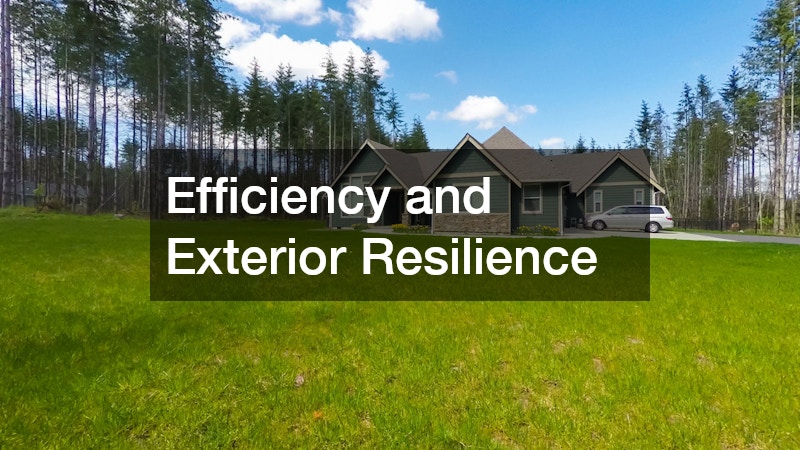
As the days grow longer and the temperature climbs, the challenges facing a home change significantly. The primary enemy during the middle of the year is the sun. Ultraviolet radiation is incredibly destructive to organic materials, causing wood to warp and paint to fade. For those who spend time outdoors, summer is the period for maintaining decks, patios, and outdoor living spaces. It is important to check for loose boards or protruding nails that could cause injury. Applying a fresh coat of sealer to wooden surfaces every couple of years can prevent the sun from turning a beautiful deck into a collection of splinters.
For homeowners who have opted for modern, durable materials, the maintenance requirements are different but no less important. This is an excellent time to inspect any metal siding that might be installed on the property. While metal is famous for its longevity and resistance to pests, it can still suffer from mechanical impacts or loose trim pieces. Ensuring that all panels are securely fastened and that there are no gaps in the seams is vital for keeping the interior cool. Metal surfaces can get quite hot in the direct sun, and if the installation is not tight, the thermal expansion can cause panels to rattle or shift. A quick check of the fasteners and a rinse to remove dust will keep these durable materials performing at their best for decades.
In addition to the walls, the hardscape around the home deserves attention to maintain a safe and attractive environment. Driveways and walkways often collect oil stains, tire marks, and moss growth that can become incredibly slippery when wet. Hiring a professional pressure washing service to deep-clean these surfaces can transform the look of the entire property. High-pressure water is uniquely capable of lifting deep-seated dirt from the pores of concrete and stone, which standard garden hoses simply cannot reach. Beyond the aesthetic benefits, keeping these surfaces clean prevents the premature breakdown of the materials. When dirt and moss are allowed to sit in the cracks of a driveway, they trap moisture, which can lead to larger cracks and eventually the need for a full replacement.
Fortification of the Envelope
When the leaves begin to drop, and the air takes on a crisp edge, the homeowner’s focus must shift toward sealing the building against the coming cold. This is the season of fortification. The goal is to create a tight, insulated envelope that keeps the warmth in and the elements out. This starts with a detailed inspection of the home’s primary barrier. Whether a house is clad in vinyl, wood, or fiber cement, the condition of the siding is the most important factor in its thermal performance. Cracks or gaps in the exterior walls allow cold air to bypass the insulation, making the home drafty and forcing the heating system to work much harder than necessary. Taking the time to caulk around door frames and utility penetrations can save a significant amount of money on energy bills once the temperature drops below freezing.
Preparation for the cold also involves a second look at the roof. While a basic check was done earlier in the year, the fall is the time to ensure the entire system is prepared for the weight of snow and the threat of ice dams. Hiring professional roofing services for a pre-winter inspection is a smart move for anyone living in a climate with harsh winters. These experts can check the health of the underlayment and ensure that the attic ventilation is working correctly. Proper ventilation is actually what prevents ice dams; it keeps the roof deck at a consistent temperature so that snow melts evenly rather than refreezing at the eaves. A well-ventilated roof also prevents moisture from building up in the attic, which protects the wooden rafters from mold and rot.
Mechanical and Interior Systems
As the focus of life moves indoors, the mechanical systems of the home take center stage. The transition to heating the home is one of the most critical moments in the maintenance calendar. Before the first truly cold night, the heating system should be tested to ensure it is functioning correctly. Waiting until a blizzard hits to find out the furnace is broken is a recipe for a very uncomfortable and potentially dangerous situation. It is highly recommended to establish a relationship with local HVAC companies to perform a standard system tune-up. A technician can clean the burners, check the electrical connections, and verify that the heat exchanger is not leaking dangerous gases into the living space.
Another indoor system that works overtime during the winter is the plumbing, specifically the equipment responsible for hot water. When the incoming water from the city lines is near freezing, the tank has to burn much more energy to reach a comfortable temperature for showers and laundry. This increased workload can cause older units to fail or leak. If a homeowner notices a drop in water temperature or strange noises coming from the basement, they should look into a professional water heater repair immediately. Often, these issues are caused by a buildup of mineral sediment at the bottom of the tank, which acts as an insulator between the burner and the water. Flushing the tank can restore efficiency and extend the life of the unit, preventing the need for a costly emergency replacement in the middle of winter.
Essential Infrastructure

While many aspects of home care involve visible surfaces and mechanical units, some of the most important components are hidden behind the walls and beneath the floor. Managing the water that enters and leaves the home is a task that requires both vigilance and professional help. It is a good practice to periodically check under every sink and around every toilet for signs of slow leaks or moisture. Even a tiny drip can eventually lead to wood rot and the growth of mold. For complex issues or the installation of new fixtures, it is always best to call in licensed plumbers. These experts have the tools to diagnose problems that are not immediately obvious, such as pinhole leaks in copper piping or failing pressure regulators that could damage appliances throughout the entire house.
The infrastructure of a home also extends to the main waste lines that connect to the municipal system or a septic tank. This is perhaps the most overlooked part of property maintenance until something goes wrong. Tree roots are a common culprit in drain issues, as they are naturally drawn to the moisture and nutrients found in sewer pipes. Over time, these roots can penetrate the lines and cause massive blockages. To prevent a catastrophic backup, homeowners should consider having their main lines inspected with a specialized camera every few years. If an inspection reveals significant root intrusion or a shifting pipe, scheduling sewer line repairs should be done sooner rather than later. Modern methods often allow for these fixes to be done without digging up the entire yard, but this is only possible if the problem is caught before the pipe completely collapses.
Long-Term Benefits and Value
Consistency is the most vital ingredient in any successful home maintenance strategy. When a person treats their house like a living organism that requires regular care, the rewards are substantial. Beyond the immediate comfort of a well-functioning home, there is a significant financial benefit. Houses that have been meticulously maintained throughout their lives sell for much higher prices and spend less time on the market. Potential buyers are savvy; they can tell the difference between a home that has been genuinely cared for and one that has merely been given a superficial coat of paint to hide years of neglect. A documented history of professional service and regular upkeep provides a level of transparency that builds trust during a real estate transaction.
Furthermore, the environmental impact of a well-maintained home should not be ignored. Systems that are running at peak efficiency use less electricity and natural gas, which reduces the overall carbon footprint of the household. Properly sealed windows and doors, efficient heating units, and clean exterior surfaces all contribute to a more sustainable way of living. In an era where energy costs are constantly fluctuating, having a home that is optimized for performance is a major advantage. It is a win-win situation where the homeowner saves money while also contributing to a more energy-efficient community.
In the end, the effort put into home maintenance is an investment in the quality of daily life. A house is meant to be a place of relaxation and joy, not a source of constant stress and emergency repairs. From the initial house washing in the spring to the critical sewer line repairs that protect the foundation, every task on the checklist serves a purpose. By following a structured plan and knowing when to call in the professionals, anyone can navigate the challenges of homeownership with confidence. The journey of maintaining a home never truly ends, but with the right approach, it can be an incredibly rewarding and fulfilling experience that pays dividends for a lifetime.
