
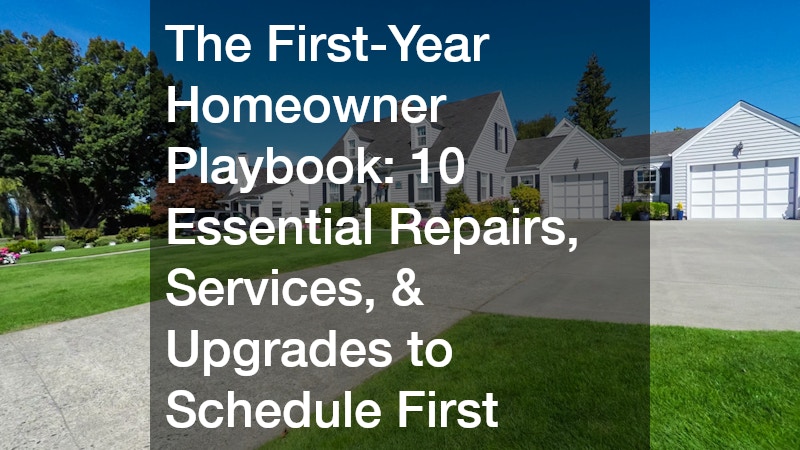
Buying a new home brings a deep sense of accomplishment, but turning a fresh set of keys into a comfortable, secure living space requires careful planning and strategic execution. During the initial twelve months of property ownership, buyers face a wide array of decisions regarding ongoing maintenance, emergency prevention, and structural upgrades. Without a structured schedule, essential upkeep tasks can easily slip through the cracks amid the rush of settling in. This neglect often leads to unexpected mechanical breakdowns, hidden water leaks, or expensive structural issues down the road.
Creating a practical, multi-step timeline allows property owners to address pressing safety concerns first while budgeting thoughtfully for future visual updates. This detailed playbook outlines ten crucial tasks, professional inspections, and structural checkups every new owner should prioritize during their initial year. Taking action early safeguards long-term property value, improves household energy efficiency, and provides lasting confidence in the overall safety and functionality of the residence. Building a reliable network of regional home service professionals early on also ensures prompt, trustworthy assistance whenever sudden maintenance challenges arise throughout the year. Being proactive during the early months establishes habits that preserve both home comfort and resale potential over time for every property owner seeking lasting peace of mind.
Contents
- 1. Simplify the Physical Move-In Process
- 2. Inspect Water Lines and Plumbing Infrastructure
- 3. Verify Roof Condition and Attic Sealing
- 4. Evaluate Overhead Garage Door Components
- 5. Inspect Fireplaces and Flue Systems
- 6. Service Heavy Household Machinery
- 7. Tune Up Landscape Watering Systems
- 8. Refresh and Protect Exterior Surfaces
- 9. Organize and Secure Outdoor Outbuildings
- 10. Upgrade Living Spaces with Targeted Renovations
- Establishing a Long-Term Care Strategy
1. Simplify the Physical Move-In Process
The transition into a new residence begins long before unpacking the first cardboard box. Transporting bulky furniture, heavy mattresses, and delicate family heirlooms demands physical strength, proper technique, and heavy-duty moving equipment. Attempting to manage a massive move without experienced hands often results in dented drywall, scraped door frames, or gouged hardwood flooring before the household even settles into the new environment.
Hiring an experienced local mover helps eliminate physical strain while protecting structural finishes throughout the property. Certified moving teams rely on padded floor runners, heavy lifting straps, wall guards, and specialized ramps to navigate tight staircases and narrow hallways safely. Leaving the heavy lifting to seasoned specialists allows new owners to spend their initial days focusing on pressing immediate needs, such as rekeying entry locks, setting up household utility accounts, and locating emergency main shut-off valves. A smooth, organized moving day creates positive momentum for the rest of the home setup process, eliminating unnecessary fatigue during a busy life transition. Professional movers also carry comprehensive liability coverage, offering essential financial protection against accidental property damage during transit and ensuring complete peace of mind for everyone involved during move-in week and beyond.
2. Inspect Water Lines and Plumbing Infrastructure

Water damage represents one of the most common and costly hazards facing property owners today. Even minor plumbing leaks behind finished drywall or underneath kitchen sinks can slowly rot subflooring, promote harmful mold growth, and inflate monthly utility bills. While standard pre-sale home inspectors check basic fixture operation, they rarely perform deep pipe evaluations, sewer camera scopes, or water pressure tests that reveal internal pipe conditions.
Scheduling licensed plumbers early in the first year provides a clear baseline for the entire domestic water system. These specialists test water pressure regulators, evaluate main shut-off valves for swift operation, and clear mineral build-up inside aging drain lines. They can also inspect water heater anode rods, which protect internal tank walls from premature corrosion and extend heating unit longevity. Catching hidden pinhole leaks or worn appliance supply hoses early prevents catastrophic water events and preserves structural integrity throughout the home. Proactive pipe maintenance protects both financial investments and family health, ensuring that clean water flows consistently through every faucet without damaging structural framing or causing hidden dampness issues in basements or crawl spaces over time.
3. Verify Roof Condition and Attic Sealing
A home’s roof forms its primary defense against torrential rain, heavy snow, hail, and harsh ultraviolet sunlight. Even minor roof defects, such as cracked asphalt shingles, loose metal flashing around chimneys, or compromised rubber pipe boots, can allow water to infiltrate attic spaces quietly. Left unchecked, small roof leaks decay overhead timber framing, ruin ceiling drywall, and destroy attic insulation efficiency over time, causing heating and cooling bills to skyrocket during extreme weather seasons.
Bringing in a qualified roofer during the first few months offers a thorough perspective on the roof’s remaining lifespan and weather resistance. These professionals climb onto the structure to check vulnerability zones that cannot be seen from ground level, including valley gutters, ridge vents, and ice shield barriers. Fixing missing shingles or resealing flashing right away extends the life of the roofing system and prevents unexpected interior ceiling repairs that disrupt daily life. Maintaining a tight building envelope is essential for low heating and cooling bills, protecting delicate ceiling finishes across every living room, and preventing structural timber decay for decades to come.
4. Evaluate Overhead Garage Door Components
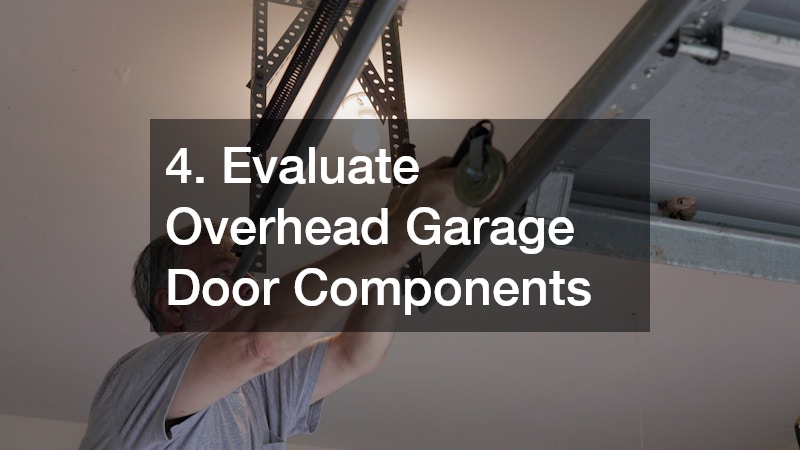
The garage door serves as the largest mechanical moving object in most residences, making its continuous operation a matter of daily convenience and personal safety. Over time, heavy steel springs lose tension, tracks shift out of alignment, and safety sensors misalign due to daily vibration and temperature changes. Homeowners often ignore minor squeaks or slow opening speeds until the door becomes completely stuck or presents a serious physical hazard to household members.
Arranging professional garage door repair ensures that balance, cable tension, and auto-reverse safety sensors operate strictly according to original manufacturer standards. Service technicians lubricate high-friction rollers, adjust opener travel limits, and replace worn weather stripping along the bottom threshold. Maintaining this main entryway prevents heat loss during cold seasons, keeps pests from entering storage spaces, and protects family members and vehicles from unexpected door drops. Consistent door care preserves automated convenience year after year, protects valuable belongings stored inside the garage, and lowers heat loss during chilly winter months across the entire ground level of the residence.
5. Inspect Fireplaces and Flue Systems
Fireplaces bring cozy warmth and traditional charm to living spaces, but wood-burning and gas units require consistent maintenance to operate safely. Creosote, a highly flammable byproduct of burning wood, gradually builds up inside flue walls over repeated uses. If creosote accumulates beyond safe levels, a simple spark can ignite an intense chimney fire that threatens the structural integrity of the entire residence.
Booking a thorough chimney cleaning prior to the arrival of cold weather removes hazardous soot deposits, bird nests, and dried autumn leaves. Certified technicians also check clay tile liners for structural cracks, test damper mechanisms for tight seals, and inspect exterior masonry caps to prevent rainwater penetration. Ensuring a clean, clear exhaust path allows dangerous combustion gases like carbon monoxide to vent safely outside, keeping indoor air quality fresh and healthy for everyone in the household. Safe heating practices bring peace of mind all winter long, allowing families to enjoy their hearth without anxiety during freezing months while protecting internal masonry structures from long-term degradation and wear.
6. Service Heavy Household Machinery

Kitchen and laundry machinery endure heavy daily use, yet homeowners often forget about routine maintenance until an unexpected breakdown occurs. Accumulated dust on refrigerator condenser coils forces compressors to work double time, raising electricity consumption and shortening unit lifespan. Similarly, lint build-up inside dryer exhaust ducts creates a serious domestic fire hazard that should never be ignored by responsible homeowners.
Scheduling proactive appliance repairs or comprehensive tune-ups restores operating efficiency across refrigerators, dishwashers, ovens, and clothes dryers. Specialized technicians inspect rubber door gaskets for tight thermal seals, clear drain lines inside dishwashers, and replace worn drive belts in washing machines. Regular servicing prevents sudden mechanical failures, cuts monthly electricity costs, and extends the operational life of expensive household equipment. Proper appliance care keeps daily routines running seamlessly without costly unexpected replacement costs during the critical first year of ownership, keeping major household systems dependable for many years to come as the property matures.
7. Tune Up Landscape Watering Systems
Maintaining vibrant curb appeal requires a balanced outdoor watering plan, especially during warm summer periods. However, underground sprinkler lines, spray heads, and control timers undergo significant wear due to soil settling, lawn mower strikes, and winter freeze cycles. Faulty sprinklers can waste thousands of gallons of water while leaving sections of lawn completely parched and prone to weed invasion.
Setting up a complete residential garden irrigation inspection helps identify hidden underground pipe cracks, broken pop-up sprayers, and misaligned nozzles. Irrigation specialists audit control panel settings to match specific plant needs, install smart rain sensors, and adjust water pressure to prevent misting losses. Proper water management conserves valuable natural resources, reduces monthly water utility bills, and keeps lawns and garden beds healthy all season long. Automated watering systems protect turf investments during peak summer heat, preserving lush landscaping across the entire yard without wasting municipal water supplies or creating oversaturated soil conditions around the home foundation structure.
8. Refresh and Protect Exterior Surfaces
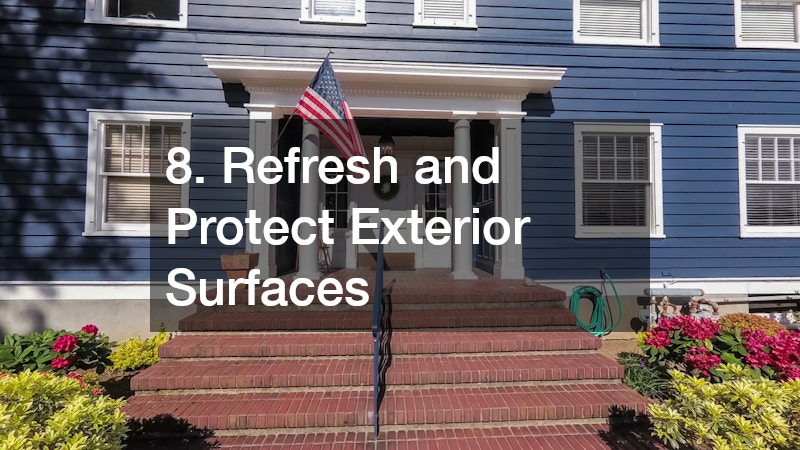
Siding, trim, and fascia boards face constant exposure to rain, ultraviolet sunlight, and changing seasonal temperatures. Over time, paint layers crack, peel, or chalk, exposing bare wood and metal to moisture intrusion. Rotting trim boards not only ruin curb appeal but also open pathways for pest infestations and water damage behind exterior wall cladding.
Hiring a professional exterior painting service restores protective barriers while elevating the home’s overall visual appeal. Skilled painters thoroughly power wash surfaces, scrape away loose finish, patch damaged trim with durable wood fillers, and apply high-performance exterior coatings. A fresh coat of exterior paint seals structural surfaces against wind-driven moisture, preventing costly framing repairs and boosting neighborhood property values. Protecting the exterior shell prevents deep structural decay and keeps the home looking vibrant year after year, shielding the structure against harsh seasonal elements and preserving wall integrity against weather damage across every season of the year.
9. Organize and Secure Outdoor Outbuildings
Outdoor storage buildings, such as tool sheds and detached workshops, provide valuable extra square footage for housing lawn mowers, bicycles, and seasonal tools. However, older sheds often suffer from wood rot along the bottom support skids, leaky roof panels, or loose doors that allow pests to nest inside undisturbed.
Upgrading or retrofitting storage sheds creates clean, dry, and secure spaces for hazardous garden chemicals, expensive power tools, and seasonal lawn decor. Installing sturdy shelving, weather-resistant padlocks, and elevated floor bases protects valuable equipment from ground moisture and keeps main living spaces and garages clutter-free. Properly maintained outbuildings also add practical appeal to overall property functionality and yard aesthetics. Secure storage keeps hazardous supplies away from children and pets, ensuring safety across the entire property perimeter while extending the lifespan of stored yard equipment against damp soil and pest intrusion for years into the future.
10. Upgrade Living Spaces with Targeted Renovations
Once essential structural and safety tasks are complete, homeowners can focus on interior updates that enhance daily comfort and property value. Bathrooms receive heavy daily use, making them ideal candidates for early functional improvements. Older bathrooms often suffer from outdated plumbing fixtures, poor ventilation fans, and worn caulking around tubs and shower enclosures.
Planning a thoughtful bath remodel allows owners to replace inefficient toilets, install modern moisture-resistant exhaust systems, and upgrade floor tiles or shower surrounds. Improving bathroom layout and fixture performance transforms a basic functional room into a relaxing spa-like retreat. Moreover, updated bathrooms remain top selling points if the owner ever decides to list the property in the future. Modernizing wet areas prevents hidden mold behind tile walls and improves water usage efficiency throughout the space, blending practical durability with personal style and long-term property utility for the entire family over time.
Establishing a Long-Term Care Strategy
Managing a home is an ongoing journey that requires balancing immediate safety needs with long-term property maintenance goals. By prioritizing essential structural inspections, outdoor systems, and interior upgrades during the first year, new homeowners construct a strong foundation for long-term financial stability and property preservation.
Taking a structured, step-by-step approach prevents minor maintenance details from growing into overwhelming, expensive projects. Keeping organized records of service contracts, equipment warranties, and annual maintenance schedules makes future upkeep simple and predictable. Developing strong communication with local trade specialists ensures reliable service whenever emergency repairs arise across any season. Ultimately, investing time and care into a property during its initial year yields a safer, more comfortable, and highly efficient home for many years to come, offering ongoing security and genuine pride of ownership for the entire household.
