
- Key Takeaways:
- Why Does Mold Even Grow in Attics in the First Place?
- What Are the Most Common Signs of Mold in an Attic?
- What Does Attic Mold Actually Reveal About Your Home?
- How Serious Is Attic Mold, Really?
- What Should You Do if You Find Mold in the Attic?
- How Can You Prevent Mold From Coming Back?
- Are There Times of Year When Attic Mold Is More Likely?
- When Should You Call in a Professional Instead of Handling It Yourself?
- Final Thoughts
Key Takeaways:
- Mold rarely shows up alone — it’s almost always a symptom of an underlying issue like a roof leak, poor ventilation, or trapped moisture, not just a random nuisance.
- Your senses are the first warning system — a musty smell or dark, fuzzy discoloration on attic wood often shows up before the problem becomes visually obvious or severe.
- Water stains are a roadmap, not just an eyesore — yellowish or brownish streaks on the roof deck point to where moisture has been getting in and where mold is likely to grow next.
- Bathroom and kitchen exhaust fans are a common hidden culprit — if they vent into the attic instead of outside, they can quietly pump humid air into the space for years without anyone noticing.
- Timing your inspections matters — checking the attic in late winter/early spring and after heavy rain or peak summer heat catches problems when they’re most likely to appear.
- Treating mold without fixing the moisture source is pointless — cleaning it up only works long-term if the leak, ventilation gap, or condensation issue causing it gets addressed too.
- Bigger infestations call for professional help — especially when soft or damaged wood, respiratory concerns, or uncertainty about whether the moisture source is truly fixed come into play.
If you have not been up in your attic lately, there is a decent chance something is brewing up there that you do not know about. Attics are the forgotten rooms of most homes. They are hard to access, poorly lit, and easy to ignore for months or even years at a time. Unfortunately, that makes them the perfect breeding ground for mold, and mold rarely shows up alone. It almost always points to a bigger issue lurking behind it, whether that is a leaky roof, bad ventilation, or moisture problems that have been quietly building for a while.
This article walks through the most common signs of mold in your attic, what each one might be telling you about your home, and what to do about it before things get worse.
Why Does Mold Even Grow in Attics in the First Place?
Mold needs three things to thrive: moisture, warmth, and something to feed on. Attics check all three boxes more often than people realize.
- Wood framing, sheathing, and insulation paper all give mold plenty to feast on.
- Heat rises, so attics tend to run warmer than the rest of the house, especially in summer.
- Moisture gets trapped when ventilation is poor, when there are roof leaks, or when warm, humid air from inside the house sneaks up through gaps and condenses on cold surfaces.
Once those three ingredients combine, mold spores that are already floating around (and they are always floating around) find a comfortable place to settle in and multiply.
What Are the Most Common Signs of Mold in an Attic?
You do not need to be a contractor to spot mold once you know what you are looking for. Here are the signs that should make you stop and take a closer look.
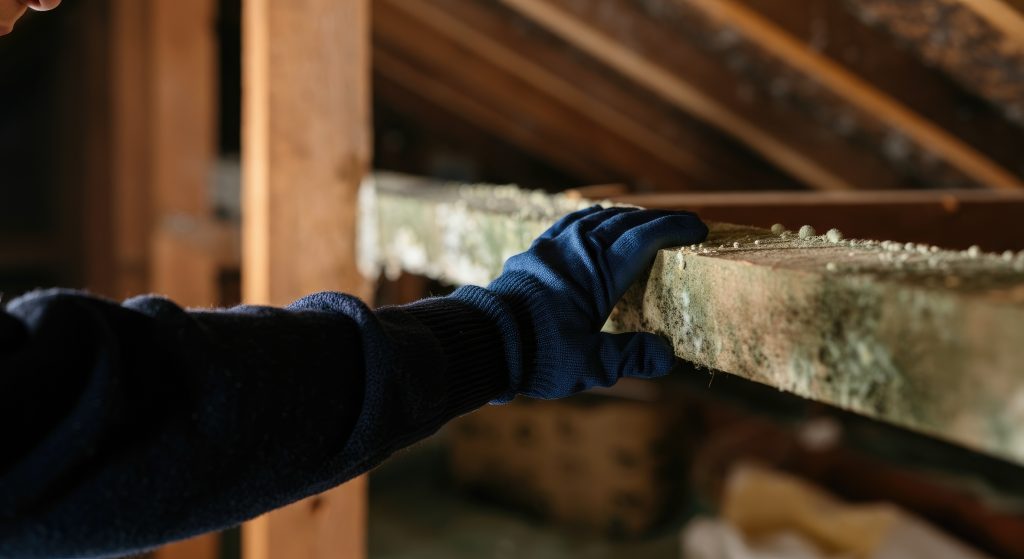
Do You See Dark Spots or Discoloration on the Wood?
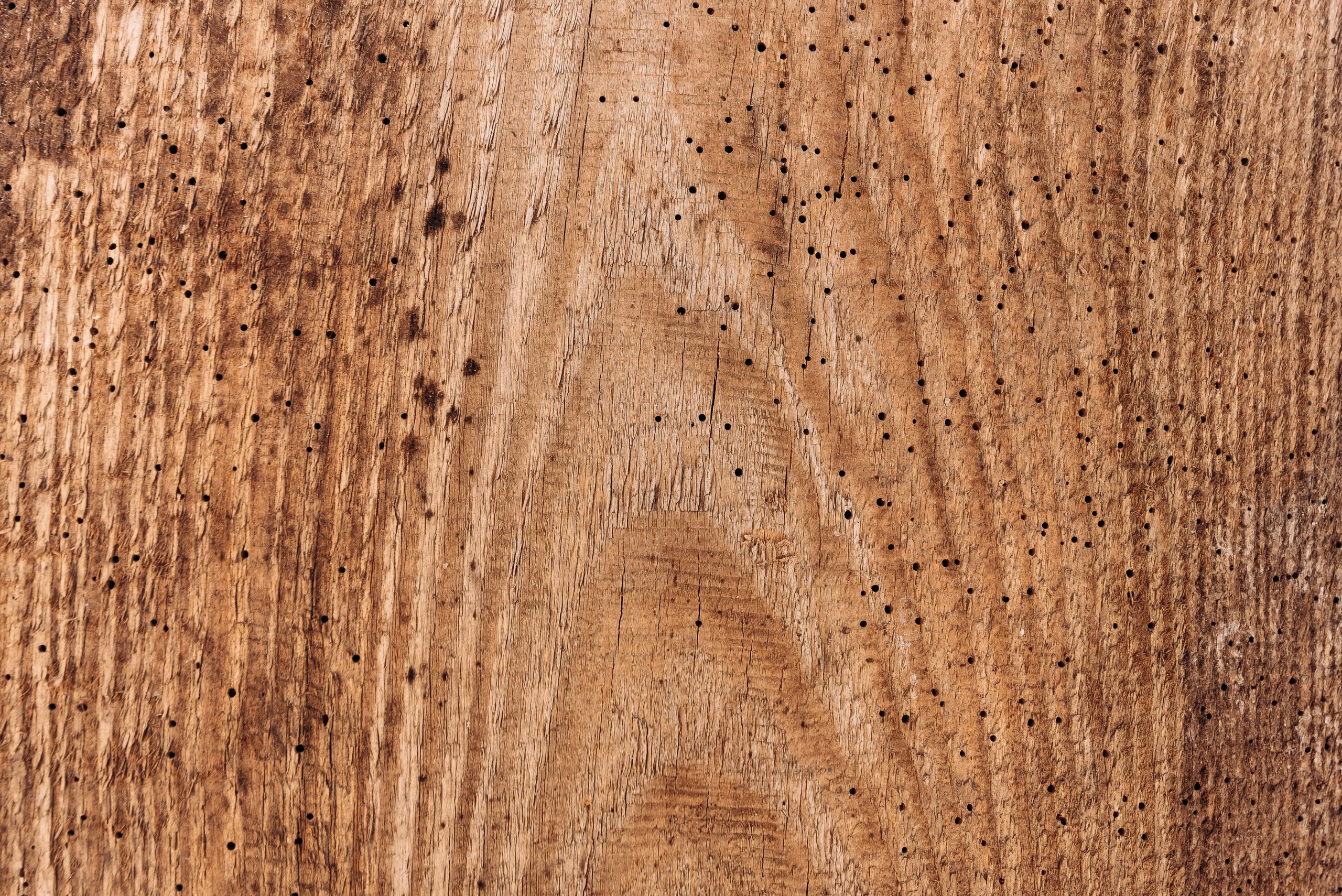
This is the most obvious sign and usually the first one people notice. Mold on attic wood typically shows up as:
- Black, green, or dark brown spots, often clustered together
- Streaky or splotchy patterns rather than a single solid stain
- Discoloration concentrated near the roof decking, rafters, or where the roof meets the walls
Sometimes people mistake this for dirt or soot, but mold tends to have a fuzzy or slightly raised texture when you look closely, while dirt stays flat.
Is There a Musty Smell When You Open the Attic Door?
Smell is often the first clue, even before you see anything. A musty, earthy, or damp odor coming from the attic is a strong indicator that mold is present somewhere, even if you cannot immediately spot it. This smell tends to get stronger on humid days or right after it rains, since moisture in the air feeds whatever mold is already growing.
Are There Water Stains or Streaks on the Underside of the Roof?
Water stains are not mold themselves, but they are basically a roadmap pointing to where mold is likely to show up next. Look for:
- Yellowish or brownish rings on the wood or insulation
- Streaks running down from the roof peak or around vent pipes and chimneys
- Stains that seem to grow or spread over time
These stains mean water has been getting in, and where there is water intrusion, mold usually follows within days, not months.
Is Your Insulation Damp, Compressed, or Discolored?
Insulation that has gotten wet loses its effectiveness and becomes a magnet for mold growth. Signs to watch for include insulation that feels heavier than it should, insulation that has flattened out in certain spots, or insulation with visible mildew spots. If you push on it and it feels damp rather than dry and fluffy, that is a red flag.
Do You Notice Frost or Condensation in the Attic During Cold Months?
In colder climates, this one catches people off guard. Frost forming on the underside of the roof deck during winter, or visible condensation on nails, pipes, or roof framing, means warm moist air from your living space is escaping into the attic and hitting cold surfaces. When that frost melts as temperatures rise, it soaks into wood and insulation, creating the perfect setup for mold once spring arrives.
What Does Attic Mold Actually Reveal About Your Home?
Mold in the attic is rarely a standalone problem. It is more like a symptom that points to something else going on. Here is what it might be telling you.
Could It Mean Your Roof Has a Leak?
This is one of the most common culprits. Cracked flashing, missing shingles, or worn-out roof vents can all let water sneak in slowly, sometimes so slowly that you do not notice until mold has already taken hold. If you are seeing mold concentrated in one specific area rather than spread evenly, a localized leak is often the cause.
Could Your Attic Ventilation Be Inadequate?
Attics need a steady flow of air to stay dry. Without it, moisture from cooking, showering, and even breathing makes its way upward and gets stuck. Signs of poor ventilation often paired with mold include blocked soffit vents, not enough intake or exhaust vents, or insulation that is covering ventilation pathways. A properly ventilated attic should feel relatively close to outdoor temperature and humidity, not noticeably stuffier.
Is Your Bathroom or Kitchen Exhaust Fan Venting Into the Attic Instead of Outside?
This one surprises a lot of homeowners. Exhaust fans are supposed to push moist air all the way outside through a duct, but in many homes, that duct either stops short or was never properly connected, dumping all that warm, humid air directly into the attic. If you run your bathroom fan and then immediately notice condensation building up nearby in the attic, this could be your answer.
Could There Be a Plumbing Issue You Have Not Noticed Yet?
Pipes that run through or near the attic can sweat, leak, or even burst without anyone immediately realizing it, especially if the leak is small and slow. If mold seems to be clustered around a specific pipe or plumbing chase, it is worth having that checked rather than assuming it is purely a ventilation issue.
Is This a Sign of Bigger Structural Moisture Problems?
Sometimes attic mold is just the most visible part of a moisture issue that extends further into the home, including damp wall cavities, a compromised vapor barrier, or grading issues outside that push water toward the foundation and up through the structure. The attic might just be where the evidence happens to be easiest to spot.
How Serious Is Attic Mold, Really?
It depends on the extent of it, but it is not something to brush off. Mold can weaken wood structures over time, reduce the effectiveness of insulation, and potentially affect indoor air quality, especially if your attic shares any air pathways with your living space. Small patches caught early are usually manageable. Widespread mold covering large sections of the roof deck or framing is a bigger deal and usually means moisture has been a problem for a while.
The attic is one of the areas homeowners often forget to maintain, which is why attic mold tends to get this bad before anyone notices. It is tucked away, rarely visited, and easy to assume is fine simply because nothing seems wrong from the rooms below.
What Should You Do if You Find Mold in the Attic?

Finding mold does not mean panic, but it does mean it is time to act. Here is a reasonable approach.
- Identify the moisture source first. Treating the mold without fixing the leak or ventilation problem just means it comes back.
- Assess the size of the affected area. Small spots might be manageable with proper cleaning, while larger infestations usually call for professional remediation.
- Improve airflow. This might mean adding ridge vents, soffit vents, or a powered attic fan depending on your setup.
- Check insulation condition. Wet or moldy insulation often needs to be removed and replaced rather than dried out and reused.
- Get your roof inspected. Even small issues like cracked flashing or aging shingles are worth catching before the next storm season.
Working through these steps in order matters. Cleaning mold without addressing the moisture source is a bit like mopping the floor while the faucet is still running.
How Can You Prevent Mold From Coming Back?
Prevention comes down to consistency more than anything dramatic. A few habits go a long way here.
- Check your attic a couple of times a year, ideally once before winter and once after, when temperature swings are at their most extreme.
- Keep an eye on your roof’s condition, especially after major storms.
- Make sure bathroom and kitchen exhaust fans actually vent outside, not into the attic space.
- Watch your indoor humidity levels, since excess moisture inside the home eventually finds its way up.
- Clear any insulation that is blocking soffit vents so air can move the way it is supposed to.
These small, maintenance habits that prevent costly home repairs are honestly some of the most underrated tools a homeowner has. Mold remediation, roof repairs, and insulation replacement add up fast, and most of that expense is avoidable with a bit of regular attention.
Are There Times of Year When Attic Mold Is More Likely?
Yes, and knowing this can help you time your inspections better.
- Late winter and early spring, when accumulated condensation from cold months starts to thaw
- Right after heavy rain seasons, when roof leaks are most likely to have been tested
- Late summer, when heat and humidity combine to create ideal mold conditions, especially in attics with poor airflow
If you can only check your attic twice a year, these windows are the smartest times to do it.
When Should You Call in a Professional Instead of Handling It Yourself?
DIY cleaning can work for small, isolated spots, but there are times when calling in a professional is the smarter move. Consider bringing in help if the moldy area covers more than a few square feet, if you are dealing with structural wood that looks soft or damaged, if anyone in the household has respiratory sensitivities, or if you are unsure whether the moisture source has actually been fixed. Professionals also have moisture meters and other tools that can detect dampness inside wood and insulation that is not visible to the naked eye, which helps confirm the problem is actually resolved rather than just hidden.
Final Thoughts
Attic mold is one of those problems that tends to sneak up on people simply because nobody thinks to look until something forces the issue. The good news is that the signs are usually there well before things get out of hand. Dark spots, musty smells, water stains, and damp insulation are all your home’s way of waving a flag and asking for attention. Pay attention to those signals, figure out what is causing the moisture, and fix that root cause rather than just the surface symptom. Your attic, your roof, and your wallet will all thank you for it.
