
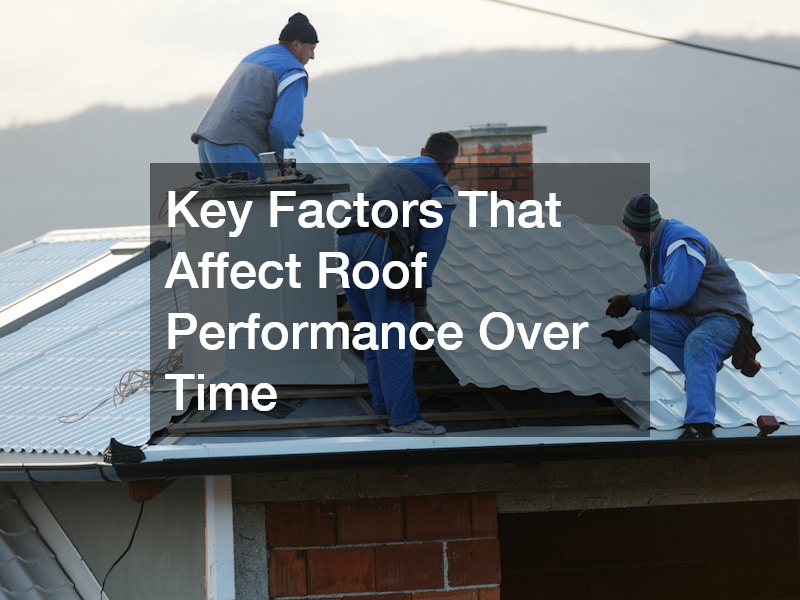
A roof is one of the most important protective systems in any building, yet it is often the most overlooked when it comes to long-term maintenance. Over time, even the best-built roofing systems naturally experience wear due to weather exposure, material aging, and environmental stress. Understanding what affects roof performance allows property owners to make smarter decisions, reduce repair costs, and extend the lifespan of their roofing system.
Roof deterioration rarely happens suddenly. Instead, it develops gradually through small issues that compound—loose flashing, minor leaks, poor ventilation, or aging materials. When left unaddressed, these small concerns can evolve into major structural problems. This article explores the most important factors that influence roof performance over time and provides practical guidance for maintaining a durable, efficient roofing system.
- Material Selection and Installation Precision
- Structural Design and System Complexity
- Routine Maintenance and Early Detection Practices
- Environmental Exposure and Weather Impact
- Ventilation, Moisture Control, and Energy Efficiency
- Repair Quality and Long-Term Maintenance Decisions
- Aging Systems and Replacement Planning
- Specialized Roofing Systems and Large-Scale Applications
- Preventive Planning and Professional Oversight
Material Selection and Installation Precision
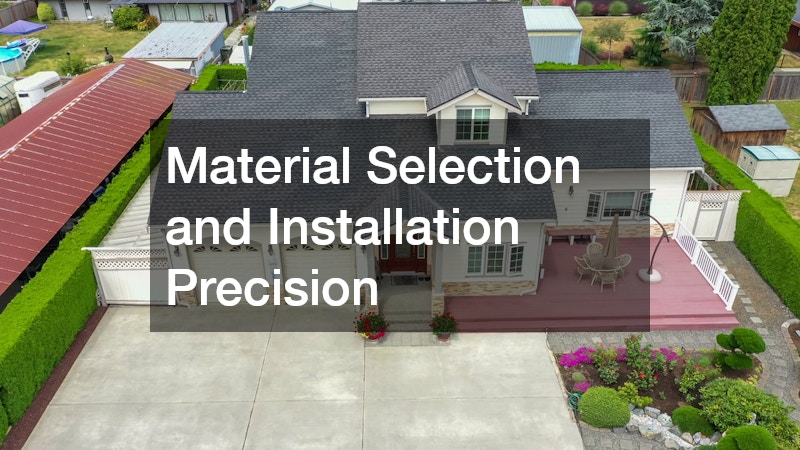
One of the most important determinants of roof longevity is the quality of materials used and the precision of installation. Even high-end materials can fail prematurely if they are not installed correctly, while well-installed mid-range systems can perform reliably for decades. The performance of a roof is not determined by a single factor but by how well each component works together as a complete system over time.
Working with professional roofing contractors ensures that installation follows industry standards, local building codes, and manufacturer specifications. Proper alignment, fastening, and sealing all play a critical role in preventing leaks and premature wear. These experts also understand how to adapt installation techniques based on roof pitch, structural conditions, and regional weather patterns, which helps reduce long-term vulnerabilities that may not be obvious during initial construction.
Material choice also significantly impacts long-term performance. For example, metal roofing services offer excellent durability and resistance to wind, fire, and moisture when compared to more traditional materials. However, they require precise installation to accommodate thermal expansion and contraction. Without proper spacing and fastening systems, even durable metal roofing panels can warp, loosen, or develop stress fractures over time.
Beyond the visible materials, the hidden layers beneath the surface are equally important. Underlayment quality, vapor barriers, and insulation layers all contribute to how well the roof performs under temperature changes and moisture exposure. Poor integration between these layers often leads to early system failure, even if the exterior materials appear intact.
Key factors that influence material and installation performance include:
- Proper underlayment selection and application
- Correct fastening techniques for wind resistance
- Accurate flashing installation around roof penetrations
- Compatibility between roofing materials and climate conditions
- Quality control during each phase of installation
Additional considerations that further improve long-term performance:
- Ensuring proper ventilation pathways are maintained during installation
- Verifying water drainage direction before final sealing
- Conducting post-installation inspections to identify early defects
- Using manufacturer-approved accessories and components
- Accounting for future maintenance accessibility during design
When these elements are executed correctly, the roofing system is far more likely to reach or exceed its expected lifespan. A properly installed roof not only resists immediate environmental stress but also maintains its structural integrity over decades, reducing the likelihood of costly repairs or early replacement.
Structural Design and System Complexity
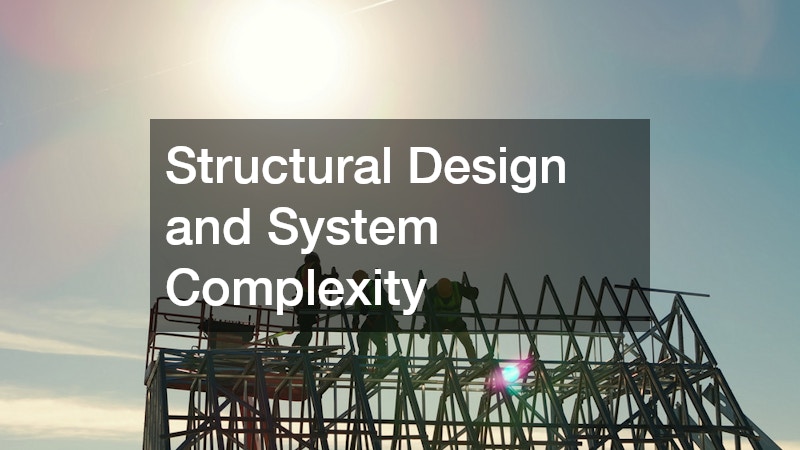
The design of a roof plays a major role in how well it performs over time. Factors such as slope, drainage, and structural layout determine how effectively water is shed and how stress is distributed across the surface. Even high-quality materials can underperform if the roof geometry does not support proper load distribution and water movement, making design one of the most critical early decisions in any roofing system.
Buildings that rely on flat roofing services require particularly careful design considerations. Flat surfaces do not naturally shed water as quickly as sloped systems, making proper drainage and waterproofing essential. Without these features, ponding water can lead to leaks, membrane deterioration, and even structural weakening over time. Small design flaws in flat systems tend to escalate faster than in pitched roofs, which makes precise planning and installation especially important.
Similarly, commercial properties often depend on commercial roofing installation that accommodates larger surface areas and heavier equipment loads. These systems must be engineered to handle HVAC units, foot traffic, solar panels, and varying weather conditions. The added complexity of commercial structures means that even minor miscalculations in load distribution or drainage planning can lead to long-term performance issues.
In many cases, roof design also influences energy efficiency and maintenance accessibility. Poorly planned layouts can make inspections more difficult, increase repair costs, and reduce the overall lifespan of the system. Conversely, well-planned designs allow for easier upkeep and more predictable wear patterns, helping property owners manage long-term costs more effectively.
Important design considerations include:
- Adequate slope or drainage systems to prevent water pooling
- Strategic placement of drains and scuppers
- Reinforced support for heavy rooftop equipment
- Expansion joints to accommodate building movement
- Weather-resistant membrane selection for flat surfaces
Additional design factors that improve long-term performance:
- Ensuring redundancy in drainage paths to prevent blockage issues
- Designing roof access points for safer maintenance and inspections
- Accounting for regional climate extremes during structural planning
- Minimizing penetrations that increase leak risk
- Balancing insulation depth with structural load capacity
A well-designed roofing system reduces long-term stress and minimizes maintenance requirements. It also helps ensure that all components—from waterproofing layers to structural supports—work together efficiently, creating a more durable and resilient system over its entire lifespan.
Routine Maintenance and Early Detection Practices
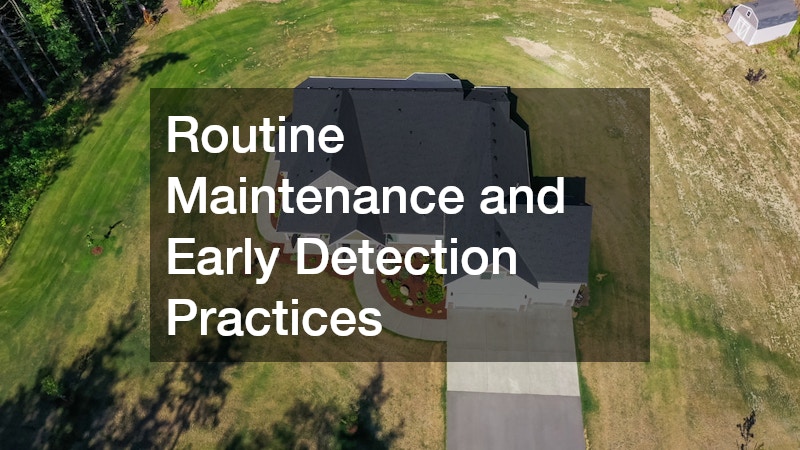
Regular maintenance is one of the most effective ways to extend roof lifespan. Many roofing problems begin as minor issues that are only noticeable through close inspection. Identifying these early can prevent costly damage later, especially since water intrusion and material fatigue often develop slowly before becoming visible inside the building.
Scheduling a consistent roof inspection helps detect issues such as cracked flashing, loose shingles, punctures in membrane systems, or early signs of water intrusion. These inspections are especially important after severe weather events, such as heavy windstorms, hail, or prolonged snow accumulation, which can weaken roofing components even if damage is not immediately visible. Over time, routine inspections also create a documented history of roof condition, making it easier to plan repairs or future upgrades.
Experienced roofers play a key role in identifying and addressing hidden problems that property owners may overlook. Their trained eye allows them to detect subtle warning signs before they escalate, such as minor sagging, granule loss on shingles, or early-stage seam separation. In many cases, professional evaluation can reveal underlying issues within the roof system that would otherwise remain unnoticed until significant damage occurs.
Maintenance best practices include:
- Clearing debris from gutters and drainage systems to prevent water backup and ice formation
- Checking for missing or damaged shingles that could expose the underlayment to moisture
- Inspecting flashing around chimneys, vents, skylights, and roof edges for separation or corrosion
- Monitoring interior ceilings and upper walls for water stains, bubbling paint, or discoloration
- Ensuring proper attic ventilation to reduce heat buildup and moisture accumulation
Beyond these basics, preventive maintenance also involves checking fasteners, sealing small gaps before they expand, and ensuring that rooftop penetrations remain watertight. Seasonal changes should also be factored into maintenance schedules, since temperature fluctuations can cause materials to expand and contract, increasing the risk of small cracks or seal failures.
Regular upkeep not only preserves roof integrity but also improves overall building efficiency and safety. A well-maintained roof reduces energy loss, prevents structural deterioration, and minimizes emergency repair situations, ultimately extending the service life of the entire roofing system.
Environmental Exposure and Weather Impact
Weather is one of the most aggressive forces acting on any roofing system. Sun exposure, heavy rain, snow accumulation, and high winds all contribute to gradual deterioration.
When damage occurs, timely roof repair service is essential to prevent further structural issues. Small leaks or damaged sections can quickly expand under continued exposure to moisture and temperature fluctuations.
In more severe cases, repeated weather damage may eventually require full roof replacements. This is especially true when materials have reached the end of their functional lifespan or when repairs are no longer cost-effective.
Common environmental stress factors include:
- UV radiation causing material breakdown
- Freeze-thaw cycles leading to cracking and expansion
- Wind uplift damaging shingles and flashing
- Heavy snow adding structural load stress
- Prolonged moisture exposure leading to rot and mold
Understanding how weather affects roofing systems helps property owners plan maintenance and replacement strategies more effectively.
Ventilation, Moisture Control, and Energy Efficiency
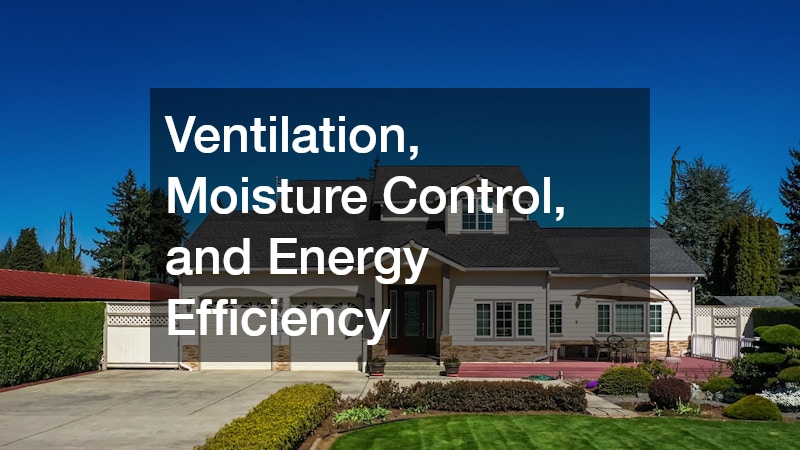
Proper ventilation and moisture control are essential for maintaining roof health. Without adequate airflow, heat and moisture can become trapped in the attic or roofing structure, accelerating deterioration.
An insulation contractor can help ensure that insulation systems are properly installed and balanced. This not only improves energy efficiency but also helps regulate temperature differences that contribute to condensation issues.
In many cases, poor airflow and insulation problems require coordinated roofing services to fully resolve underlying issues affecting both the roof and the building envelope.
Key benefits of proper ventilation and insulation include:
- Reduced risk of mold and mildew growth
- Lower energy consumption and utility costs
- Extended lifespan of roofing materials
- Improved indoor comfort year-round
- Reduced thermal stress on roofing components
Moisture control is often overlooked but plays a critical role in long-term roof performance.
Repair Quality and Long-Term Maintenance Decisions
Not all repairs are equal, and the quality of repair work significantly influences long-term roof performance. Temporary fixes may address immediate leaks but often fail to solve underlying problems.
A reliable roof repair service focuses on identifying the root cause of issues rather than just treating visible symptoms. This approach helps prevent recurring damage and extends the effectiveness of the repair.
In some cases, repeated damage or widespread deterioration may indicate the need for more experienced roofers who can assess whether repair or replacement is the better option.
Key considerations when evaluating repair work:
- Whether the underlying cause has been fully identified
- Quality of materials used in the repair
- Integration with existing roofing systems
- Long-term durability of the fix
- Frequency of recurring issues in the same area
Choosing quality repair solutions over quick fixes can significantly reduce long-term maintenance costs.
Aging Systems and Replacement Planning
All roofing systems eventually reach a point where repairs are no longer sufficient. As materials age, they lose flexibility, strength, and resistance to environmental stress.
At this stage, roof replacements become the most cost-effective solution. Continuing to repair an aging system can lead to higher cumulative costs and increased risk of structural damage.
Signs that a roof may be nearing the end of its lifespan include:
- Frequent leaks in multiple areas
- Widespread shingle or membrane deterioration
- Sagging or structural deformation
- Increased energy loss due to insulation failure
- Persistent moisture or mold problems
Planning ahead for replacement allows property owners to budget effectively and avoid emergency situations.
Specialized Roofing Systems and Large-Scale Applications
Different building types require different roofing strategies. Commercial and large-scale buildings often have unique structural demands that require specialized systems.
Flat roofing services are commonly used in these environments due to their efficiency in covering large surface areas and accommodating rooftop equipment. However, they require ongoing maintenance to ensure proper drainage and waterproofing.
Similarly, commercial roofing installation involves careful planning to ensure durability, accessibility, and compliance with building regulations.
Key considerations for large-scale roofing systems:
- Load-bearing capacity for mechanical equipment
- Accessibility for maintenance personnel
- Waterproofing system integrity
- Energy efficiency and insulation integration
- Long-term maintenance planning
Specialized systems require specialized expertise to ensure long-term success.
Preventive Planning and Professional Oversight
Long-term roof performance depends heavily on proactive planning and expert oversight. Regular assessments and structured maintenance schedules help prevent small issues from becoming major problems.
Working with professional roofing contractors provides access to expertise in system evaluation, repair planning, and long-term maintenance strategies. Their experience ensures that all aspects of the roofing system are considered holistically.
A structured roof inspection program is one of the most effective tools for maintaining roof health over time. These inspections help identify early warning signs and allow for timely intervention.
Benefits of preventive planning include:
- Reduced long-term repair costs
- Improved system reliability
- Extended roof lifespan
- Better budgeting for future maintenance
- Increased property value
Preventive care ensures that roofing systems remain stable, efficient, and durable throughout their lifespan.
Roof performance is influenced by a combination of factors including materials, design, environmental exposure, maintenance practices, and professional oversight. While no roofing system lasts forever, understanding these key elements allows property owners to take proactive steps that significantly extend durability and reduce long-term costs.
By prioritizing regular care, quality installation, and informed decision-making, it is possible to maintain a strong, efficient roofing system that performs reliably for many years.
