

Planning home upgrades that improve both function and appearance requires a balanced approach. Homeowners often face the challenge of deciding which projects will deliver the most value while also making daily life more comfortable. Some upgrades are purely cosmetic, while others focus on performance, safety, or efficiency. The most successful improvements address both sides at once, enhancing how the home looks while also supporting how it operates day to day.
A thoughtful upgrade plan begins with understanding how each part of the home works together. Heating, cooling, structural elements, and interior spaces all influence comfort and usability. When one system underperforms, it can affect other areas of the home, leading to higher costs, discomfort, or premature wear. By viewing upgrades as part of a larger system rather than isolated projects, homeowners can make smarter decisions that reduce future repairs and improve long-term satisfaction.
This article explores practical ways to plan home upgrades that strengthen performance while also improving visual appeal. Each section focuses on a specific area of the home and explains how targeted improvements can support efficiency, comfort, and design. Rather than chasing trends, the goal is to prioritize upgrades that make the home easier to live in and maintain.
- Evaluating the Condition of Key Home Systems
- Improving Energy Efficiency and Comfort
- Upgrading Kitchens for Daily Use and Storage
- Refreshing Interior Spaces With Updated Finishes
- Enhancing Bathrooms for Function and Style
- Protecting the Home With Exterior Improvements
- Improving Heating and Cooling Performance
- Updating Driveways and Walkways
- Incorporating Durable Materials and Fixtures
- Planning Upgrades for Long-Term Value
Evaluating the Condition of Key Home Systems
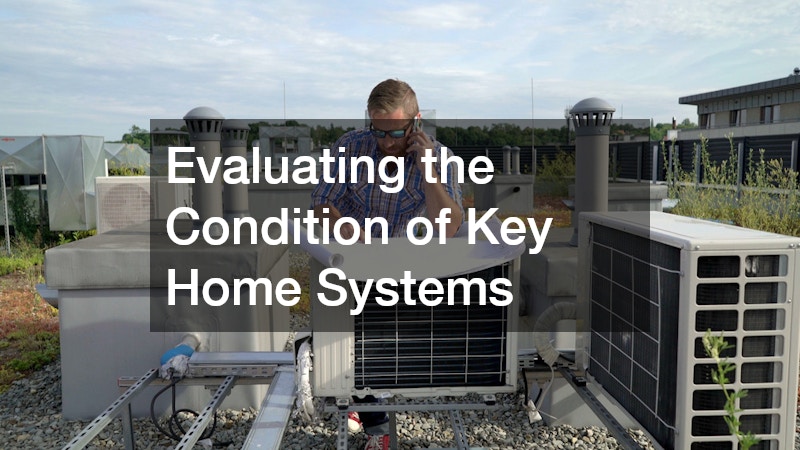
Before starting any major home upgrades, it’s important to evaluate the condition of the systems that support daily comfort and safety. Many functional issues are not immediately visible, yet they have a significant impact on energy use, indoor comfort, and overall reliability. Assessing system performance early helps homeowners avoid investing in cosmetic upgrades that may later need to be disrupted for repairs or replacements.
A thorough evaluation looks at how systems perform under normal use rather than just whether they turn on or off. Inconsistent temperatures, unusual noises, or rising energy costs often indicate underlying issues. Understanding these signs allows homeowners to prioritize improvements that address root problems instead of temporary fixes. This approach also supports better budgeting, as it reduces the risk of unexpected repairs after upgrades are completed.
One of the most important areas to assess is heating and cooling performance, which is why many homeowners begin by reviewing their HVAC services. Ensuring that these systems operate efficiently helps stabilize indoor temperatures and supports other upgrades, such as insulation or interior renovations. Addressing system performance first creates a stronger foundation for future improvements and helps the home function more reliably as upgrades move forward.
Improving Energy Efficiency and Comfort
Energy efficiency plays a major role in how comfortable a home feels throughout the year. Homes that struggle to maintain consistent temperatures often rely heavily on heating systems, leading to higher fuel use and uneven comfort. Improving efficiency not only lowers operating costs but also creates a more stable indoor environment that supports daily living.
Comfort-focused upgrades often involve improving insulation, sealing air leaks, and confirming that heating systems are functioning properly. These changes reduce heat loss and help maintain consistent temperatures across different rooms. When efficiency improves, homeowners often notice quieter operation, fewer drafts, and less strain on heating equipment. These benefits make the home more enjoyable to live in while also supporting long-term system health.
For homes that rely on heating oil services, efficiency planning becomes especially important. Optimizing fuel usage helps control seasonal costs and reduces unnecessary system wear. Regular maintenance and thoughtful upgrades work together to improve performance without sacrificing comfort. By focusing on efficiency early, homeowners create a warmer, more dependable living space while laying the groundwork for future upgrades that enhance both function and appearance.
Upgrading Kitchens for Daily Use and Storage
The kitchen is one of the most heavily used areas in the home, which makes functionality just as important as appearance. A well-designed kitchen supports efficient movement, simplifies meal preparation, and keeps clutter under control. When layouts are outdated or storage is limited, everyday tasks can feel frustrating and time-consuming. Upgrading the kitchen with function in mind helps improve workflow while also creating a space that feels more inviting.
Effective kitchen upgrades focus on how the space is actually used throughout the day. Storage placement, counter space, and accessibility all influence efficiency. Improving organization reduces visual clutter and makes it easier to keep the kitchen clean and usable. Even small layout adjustments can create better flow between cooking, dining, and living areas, especially in open floor plans where the kitchen serves multiple purposes.
Investing in custom kitchen cabinetry allows homeowners to tailor storage to their specific needs while enhancing overall design. Custom solutions can maximize unused space, accommodate specialty items, and improve accessibility without sacrificing style. Thoughtful cabinetry upgrades support daily routines while contributing to a polished, cohesive look that elevates the entire home.
Refreshing Interior Spaces With Updated Finishes
Interior finishes play a significant role in how a home looks and feels. Over time, walls, trim, and surfaces can show wear, fade, or begin to feel dated. Refreshing these elements helps modernize living spaces while also creating a cleaner, more cohesive environment. Updated finishes can dramatically improve the appearance of a home without requiring structural changes.
A refresh often starts with identifying areas that feel dark, worn, or disconnected from the rest of the home. Color choices, surface textures, and consistency between rooms all influence visual flow. Updating finishes can brighten spaces, highlight architectural features, and create a sense of continuity that makes the home feel more intentional and well-maintained.
Working with a painting contractor helps achieve professional results that last. Proper surface preparation, quality materials, and precise application contribute to a polished finish that enhances both durability and appearance. A well-executed interior refresh supports easier maintenance and creates a more comfortable atmosphere for daily living.
Enhancing Bathrooms for Function and Style
Bathrooms serve both practical and personal roles in the home, making function and comfort equally important. Outdated layouts, limited storage, or worn fixtures can make these spaces feel cramped or inefficient. Enhancing bathrooms helps improve daily routines while creating a more relaxing and visually appealing environment.
Functional bathroom upgrades focus on improving layout, storage, lighting, and ventilation. These improvements help reduce clutter, improve accessibility, and create a smoother flow during busy mornings or evenings. Thoughtful design choices also make bathrooms easier to clean and maintain, supporting long-term usability.
Bathroom remodeling allows homeowners to address both functional concerns and aesthetic goals at the same time. Updated fixtures, improved layouts, and modern finishes can transform a bathroom into a space that feels both practical and comfortable. When planned carefully, bathroom upgrades enhance everyday living while adding lasting value to the home.
Protecting the Home With Exterior Improvements
Exterior improvements play a critical role in protecting a home from the elements while also shaping its overall appearance. The exterior is the first line of defense against weather, moisture, and temperature changes, making durability and performance just as important as curb appeal. When exterior components are worn or damaged, they can allow problems to spread to interior spaces, leading to costly repairs and reduced comfort.
Protective upgrades often focus on reinforcing materials, improving drainage, and addressing visible signs of wear. Cracked surfaces, missing materials, or water intrusion should be addressed promptly to prevent further damage. Well-maintained exterior features also help the home age more gracefully, maintaining both structure and visual appeal over time.
One of the most important exterior considerations is roofing, which shields the entire home from rain, snow, and sun exposure. Addressing roofing concerns early helps prevent leaks, insulation damage, and interior deterioration. By prioritizing exterior protection, homeowners support long-term performance while preserving the appearance and value of their property.
Improving Heating and Cooling Performance
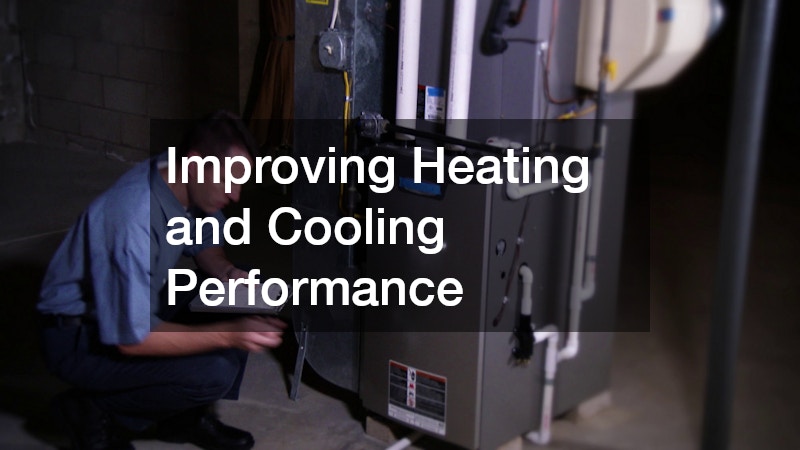
Heating and cooling performance has a direct impact on comfort, energy use, and system longevity. Homes that struggle to maintain consistent temperatures often experience uneven comfort and higher utility costs. Improving performance helps stabilize indoor conditions and supports a more comfortable living environment year-round.
Performance issues can arise from aging equipment, airflow restrictions, or maintenance gaps. Addressing these concerns improves efficiency and reduces strain on system components. When systems operate smoothly, they respond better to seasonal demands and maintain more consistent comfort throughout the home.
Scheduling timely furnace repairs helps address performance issues before they lead to breakdowns. Repairs can restore efficiency, improve airflow, and extend the life of heating equipment. By maintaining heating and cooling performance, homeowners support both comfort and reliability while reducing the risk of unexpected system failures.
Updating Driveways and Walkways
Driveways and walkways contribute to both safety and curb appeal. Cracked, uneven, or worn surfaces can detract from the appearance of a home and create potential hazards. Updating these areas improves accessibility and creates a more welcoming approach to the property.
Functional surface upgrades focus on durability, drainage, and proper grading. Well-maintained walkways reduce the risk of trips and falls, while improved driveways support vehicle access and parking. These improvements also make routine maintenance easier and help prevent further surface deterioration.
Working with a paving service helps homeowners create smooth, long-lasting surfaces that complement the home’s exterior. Professional paving supports proper installation and material selection, resulting in improved performance and appearance. Updated driveways and walkways enhance daily convenience while contributing to the home’s overall presentation.
Incorporating Durable Materials and Fixtures
Durable materials and fixtures play a major role in how well a home performs over time. While style influences first impressions, longevity determines how often repairs or replacements are needed. Choosing materials that withstand daily use, moisture, and temperature changes helps homeowners avoid premature wear while maintaining a clean, finished appearance. Durable upgrades support both function and aesthetics by holding up under real-world conditions.
When evaluating materials, it’s important to consider maintenance requirements as well as performance. Surfaces that resist staining, scratching, and moisture damage are easier to keep clean and tend to look better longer. Fixtures that are well-constructed and properly installed also contribute to consistent functionality and fewer service calls. These choices reduce ongoing upkeep and help preserve the overall quality of the home.
In bathroom spaces, glass shower doors are a popular option that balances durability with modern style. When properly selected and installed, they resist moisture damage, improve visibility, and create a more open feel without sacrificing performance. Incorporating durable fixtures throughout the home helps homeowners create spaces that remain functional, attractive, and easy to maintain for years to come.
Planning Upgrades for Long-Term Value
Planning home upgrades with long-term value in mind helps homeowners make decisions that go beyond immediate needs. While visual improvements offer instant satisfaction, projects that protect the structure and improve performance often deliver the greatest return over time. Long-term planning focuses on durability, system health, and reducing future repair risks while supporting consistent comfort.
Strategic planning involves understanding how upgrades affect the home as a whole. Structural protection, moisture control, and system efficiency all influence the lifespan of interior improvements. When upgrades are prioritized correctly, homeowners avoid repeating work or undoing recent projects due to overlooked issues. This approach supports smarter budgeting and more predictable maintenance.
Exterior protection is a key factor in long-term value, which is why residential roofing plays such an important role. A well-maintained roof protects insulation, walls, ceilings, and interior finishes from water damage and temperature extremes. Planning upgrades that include structural protection helps preserve every improvement beneath it, supporting both performance and property value over time.
Planning home upgrades that improve both function and appearance requires careful prioritization and a clear understanding of how each improvement contributes to daily living. The most effective projects address performance, comfort, and durability while also enhancing the home’s visual appeal. When upgrades are planned thoughtfully, they create spaces that are easier to use, maintain, and enjoy.
A balanced approach considers how systems, materials, and design choices work together. Addressing core systems first helps support cosmetic updates and reduces the risk of future disruptions. Durable materials, efficient systems, and protective exterior features all play a role in maintaining long-term performance and reducing maintenance demands.
Ultimately, successful home upgrades are those that align with how homeowners live today while preparing for the future. By focusing on improvements that enhance both function and appearance, homeowners create spaces that feel comfortable, reliable, and visually cohesive. With careful planning, upgrades become long-term investments that support everyday living and lasting value.
